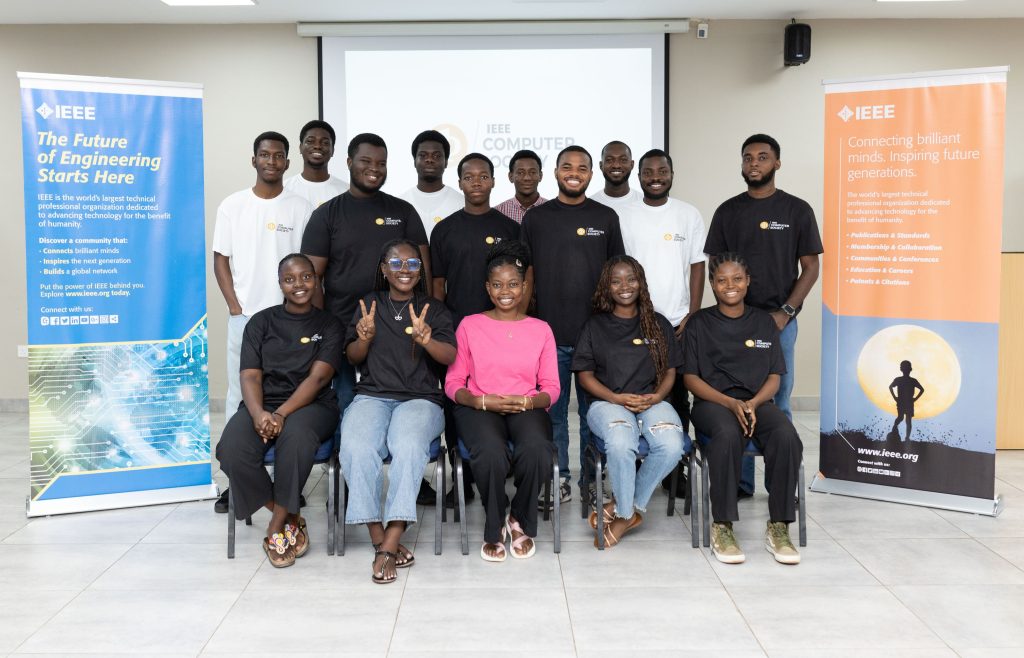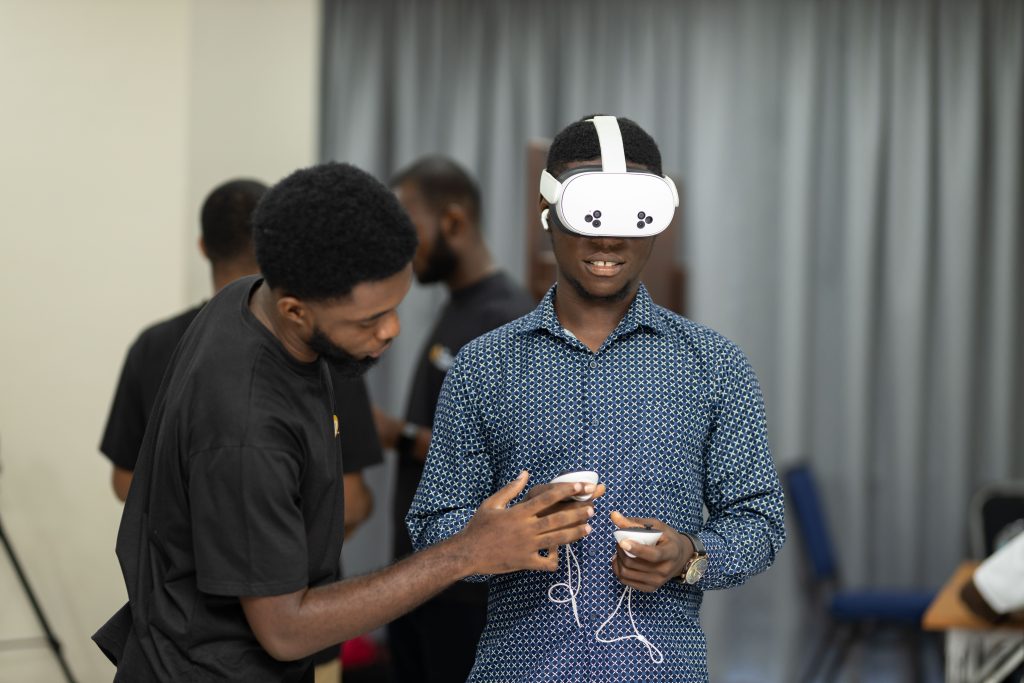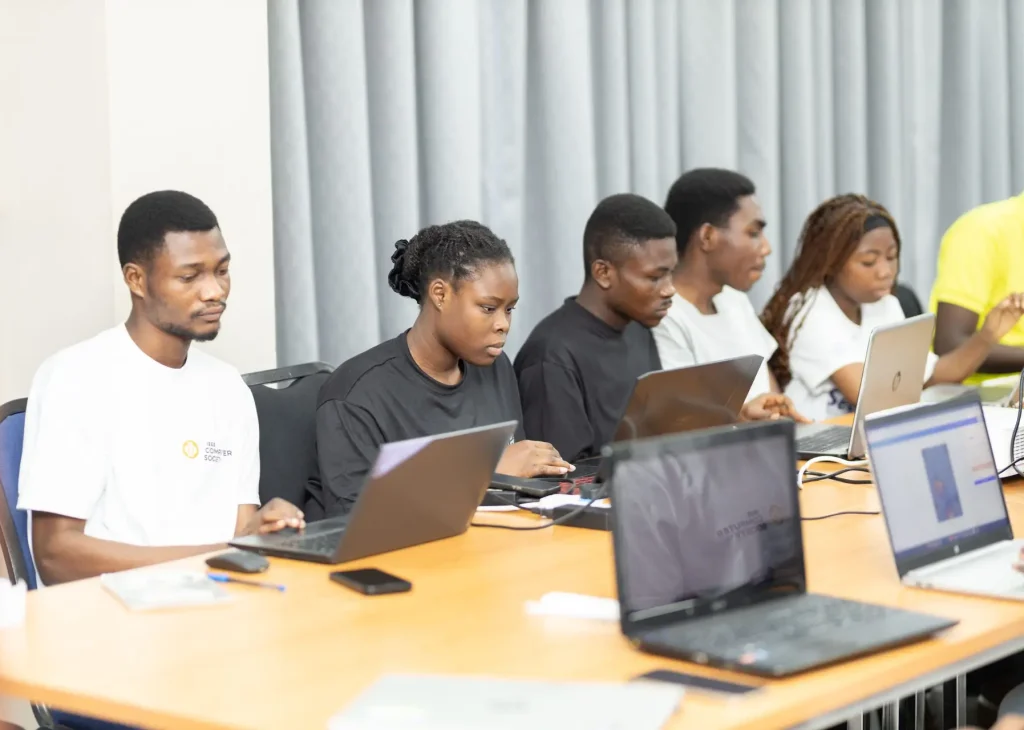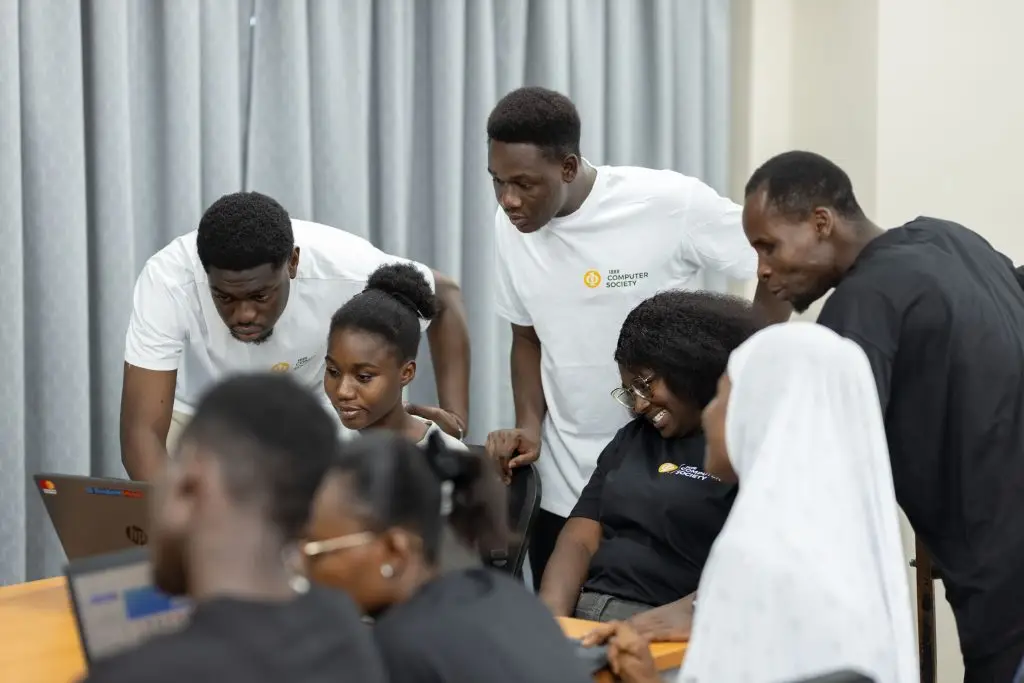

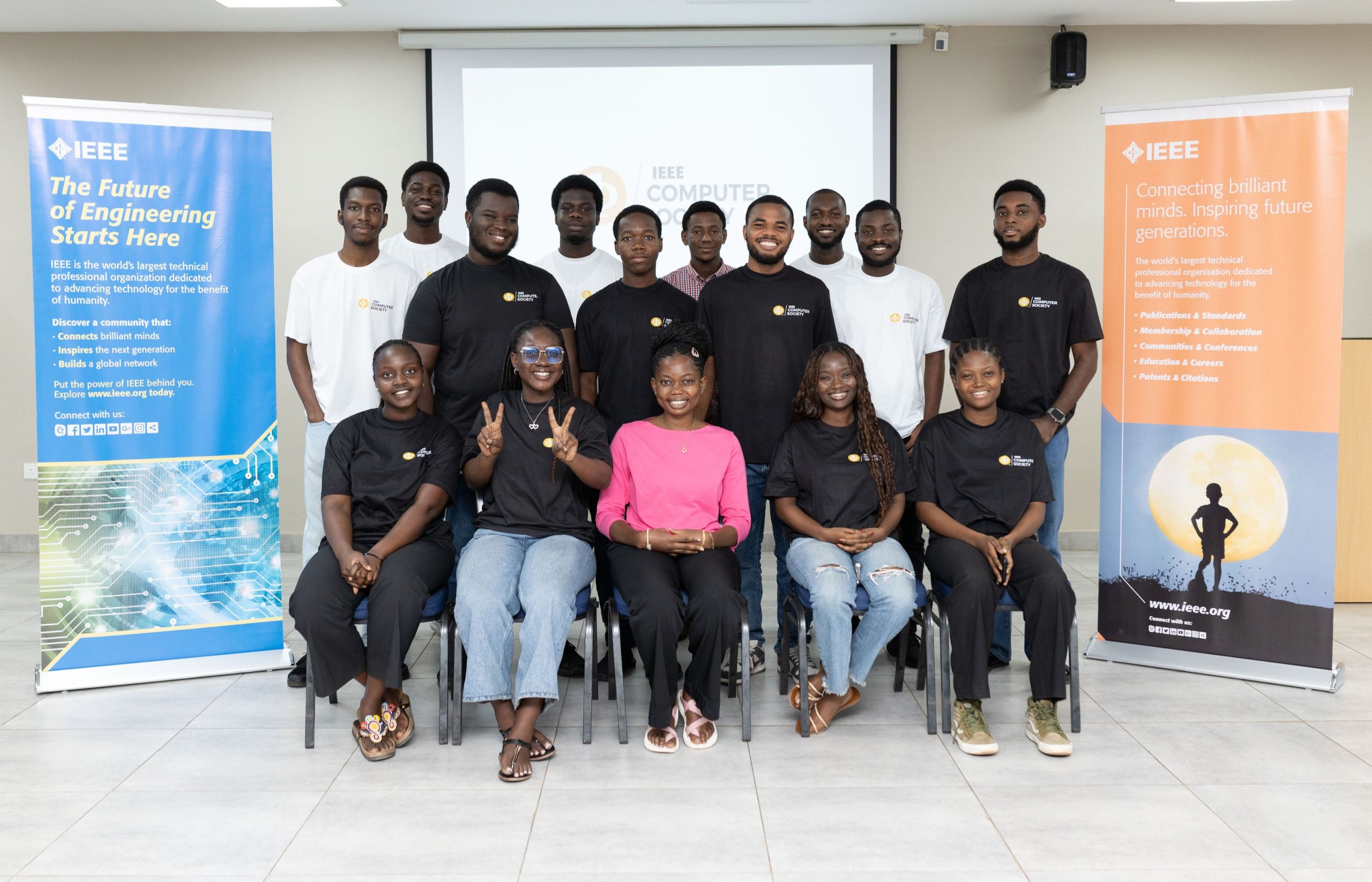
In 2025, with support from the IEEE Computer Society, we trained 44 persons with disabilities in web development, graphic design and digital marketing. The figures are in our 2025 impact report.
This post is about what the figures leave out: five lessons that changed how we design every program.
Accessibility is decided before day one
The venue, the training platform, the file formats, even the fonts on our slides were all chosen weeks before the first session, and each choice decided who could take part. Where we chose well, learners got on with learning. Where we missed something, we lost most of the first week fixing it.
Planning for access at the start cost us less than repairing it afterwards. That held every time.
Learners differ more in assistive technology than in digital skills
Some people arrived fluent in screen readers and magnifiers. Others had never been given the assistive technology that suits them. We had planned for a range of digital skills and had not planned for this.
We now set aside proper time to get everyone set up before the curriculum starts, and we count that time as training.
Getting to the room is the first test
What kept people away most often was transport. It was never motivation, and it was never ability. Accessible transport in Kumasi, where we ran the training on the KNUST campus, is scarce and expensive, and a program that ignores this quietly loses the people it was set up for.
We now treat stipends, the choice of venue and flexible timetables as accessibility measures, the same as captions or screen reader support.
People turn skills into income
The learners who reached internships and freelance work fastest all had a mentor who made introductions, went through their portfolio and vouched for them to an employer. A certificate did little without that person.
Mentorship is now part of every TechAble program from the first week.
The community keeps going
Months after graduation, the cohort still swaps job leads, fixes technical problems together and looks after new learners. We taught the skills. The group is what kept people moving.
We now put as much care into the learner community as into the curriculum.
What comes next
We are carrying these lessons into our next programs, including AI literacy and closer work with employers in Ghana. If you would like to join us as a learner, mentor or partner, get in touch.
The talent is already here. What is missing is access.